Chapters Overview
INTRODUCTION
INTRODUCTION
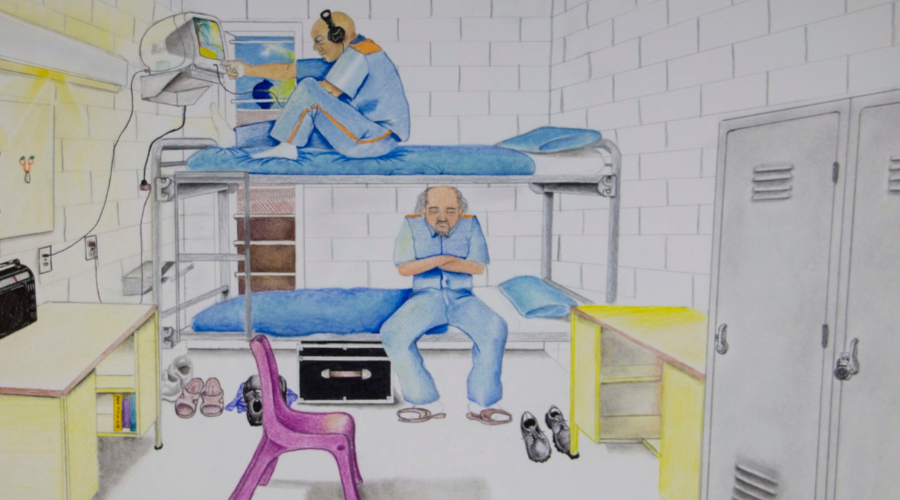
This chapter provides background on American jails and prisons. (What’s the difference between a jail and a prison? What is incarceration supposed to accomplish? How do prison abolitionists conceptualize and justify their goals? How did American incarceration develop?) It provides longitudinal and contemporary statistics. Finally, it offers narrative and case law background on the development of the modern conception of prisoners’ rights.
An edited version is available for download here.
PART I: CONDITIONS OF CONFINEMENT
PART I: CONDITIONS OF CONFINEMENT

This chapter introduces the foundational cases governing the Eighth and Fourteenth Amendment requirements of safe and humane incarceration conditions, including the Constitution’s ban on excessive force. It considers both post-conviction incarceration and pretrial detention, and presents and analyzes both subjective and objective liability standards.

This chapter centers on long-term isolation, a topic of great interest and controversy in the past several decades. While further elaborating the legal principles described in the previous chapter, this chapter also includes historical and international materials and excerpts, presenting the views of correctional administrators, correctional unions, and mental health professionals.

One idea about imprisonment is that it is an occasion for individual self-improvement—for education, vocational training, rehabilitation. But do prisoners have a legal right to education and rehabilitative services? This chapter presents legal and policy issues related to prison labor, educational programs, and reentry services.
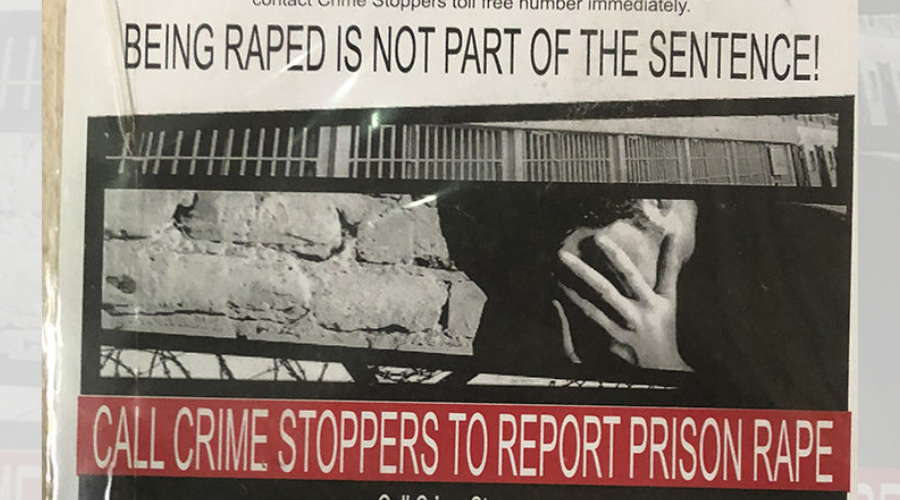
Sexual violence and abuse are pervasive in U.S. prisons and jails. This chapter explores responses by federal courts, Congress, and state legislatures. In addition to the relevant federal case law, the chapter presents the Prison Rape Elimination Act’s implementing regulations and includes materials on PREA audits and the criminalization of sexual contact between correctional officers and people in custody.
PART II: CIVIL LIBERTIES
PART II: CIVIL LIBERTIES

This chapter examines constitutional and statutory protection of prisoners’ freedom of speech and free exercise of religion. The chapter presents case law, statutory law, and the perspectives of correctional officials, scholars, and current and former prisoners.

This chapter focuses on prisoners’ right to litigate, whether in civil or criminal actions, and the limitations on that right. Topics include communications between inmates and their attorneys, retaliation by staff that litigation may trigger, communication with attorneys, prison law libraries, and jailhouse lawyers.
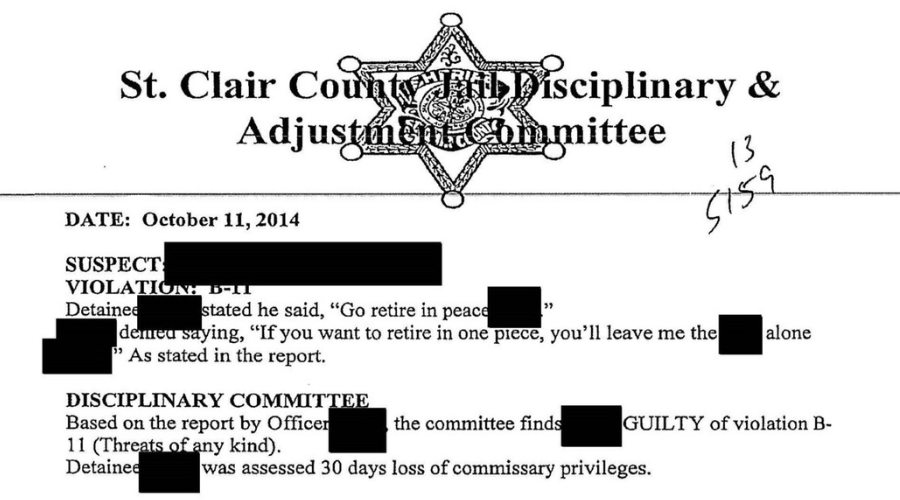
The Fifth and Fourteenth Amendments’ Due Process Clauses require appropriate process to safeguard against deprivation of life, liberty, or property. This chapter focuses on prisoners’ rights to procedural due process related to parole revocation, discipline, administrative segregation, and transfers. In addition to case law, materials include examples from parole, jail disciplinary, and prison transfer proceedings.
One’s home may be one’s castle, but prisoners enjoy virtually no protection against searches and seizures of their living spaces. After discussing that doctrine, this chapter turns to bodily searches, where prisoners enjoy somewhat greater protection.
PART III: PARTICULAR PRISONER POPULATIONS
PART III: PARTICULAR PRISONER POPULATIONS
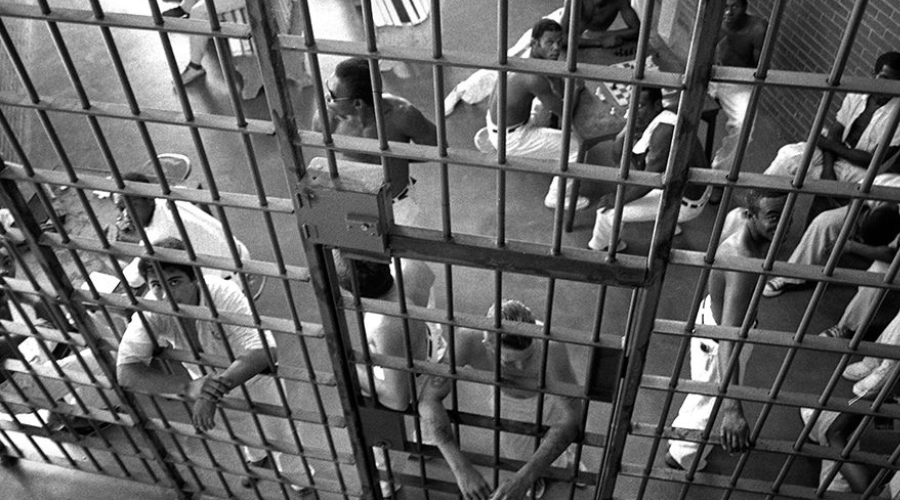
Racial disparities and discrimination are endemic in the carceral system at every stage. This chapter explores how race impacts the day-to-day experience of incarceration and also issues related to language access in prisons and jails. Materials include case law, settlement agreements, and U.S. Department of Justice investigation documents.

While far fewer women than men are in custody throughout the U.S., the proportion of prisoners that is female has risen over recent decades. This chapter examines legal and policy considerations related to women in custody, including case law about equal access to programming, and reproductive issues such as shackling during labor.
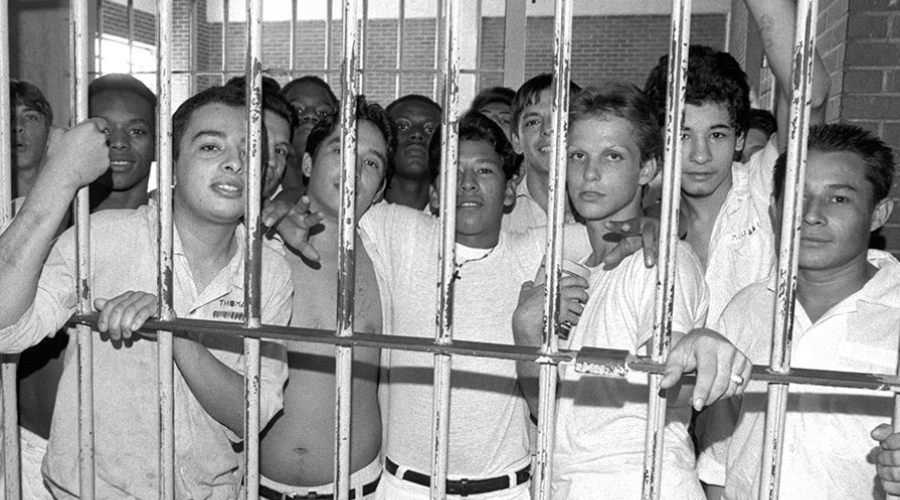
While in custody, lesbian, gay, bisexual, transgender, and queer (LGBTQ) people may have some needs that differ from those of straight cis-male and cis-female (that is, straight and non-transgender) prisoners. The materials in this chapter show how courts and Congress have addressed the incarceration of LGBTQ people. The chapter examines harassment and discrimination, preventing sexual victimization, housing decisions, and transgender medical care.

Most people incarcerated in American jails and prisons have at least one disability. This chapter begins by discussing how disability may affect prisoners’ lives and institutional operations, and then presents materials on the interaction between the ADA and the Eighth Amendment’s ban on cruel and unusual punishments, and on disability anti-discrimination statutes and their implementing regulations.
PART IV: LITIGATION AND REMEDIES
PART IV: LITIGATION AND REMEDIES
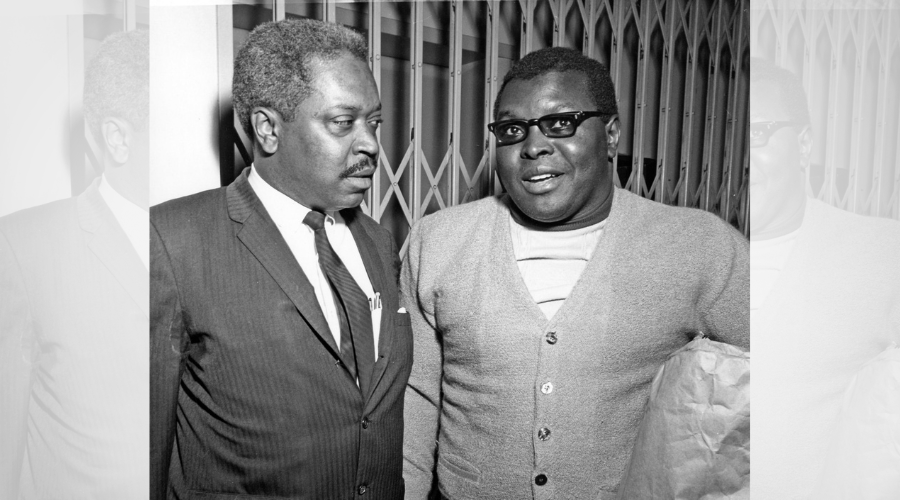
This chapter addresses injunctions—court orders requiring a lawsuit’s defendants to do something or stop doing something. The chapter explores injunctions entered after litigation or on consent, looking at the prerequisites for entry, modification, and termination, including the impact of the 1996 Prison Litigation Reform Act.
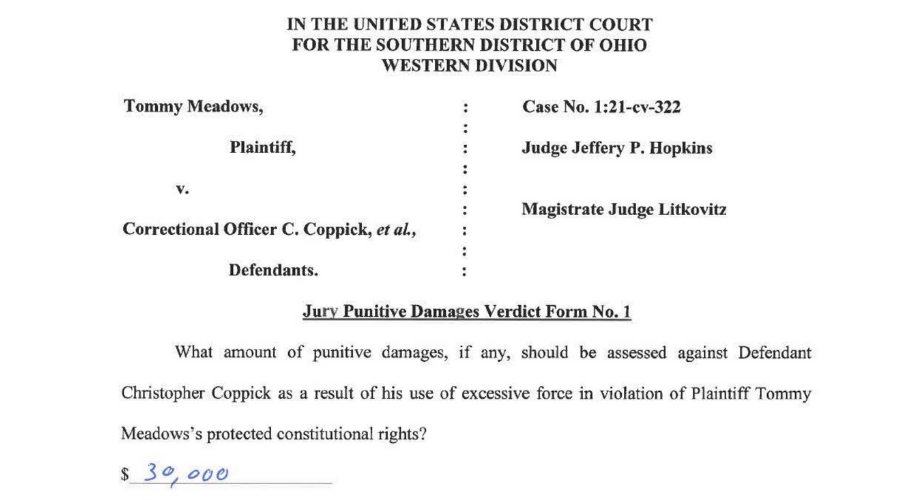
This chapter looks at the causes of action prisoners use to seek damages for harm they experience at the hands of state, local, or federal officials. It examines immunities, official- vs. personal-capacity lawsuits, supervisory liability, and the liability of private contractors. Materials also include opening and closing statements from a jail suicide damage trial.
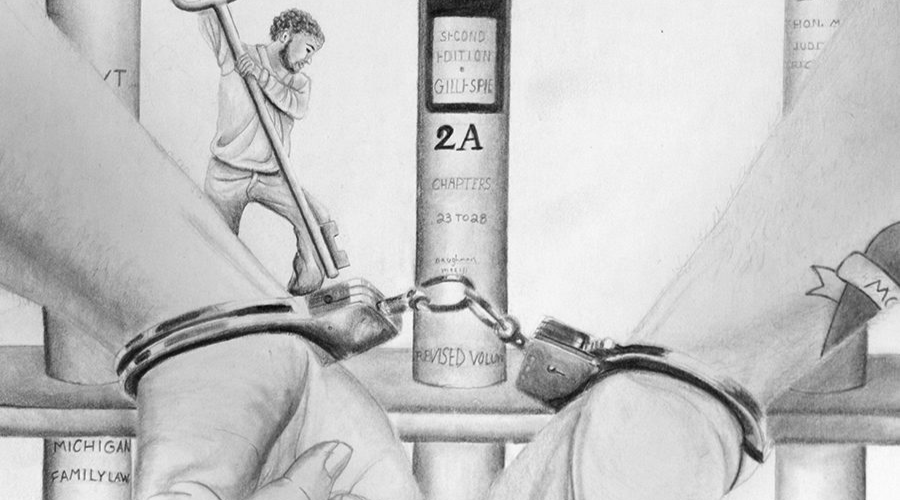
This chapter focuses on litigation issues particular to the subject matter or litigants in prison/jail cases. Much but not all of the Chapter addresses provisions of the 1996 Prison Litigation Reform Act.

As corporations play an ever-expanding role in the criminal justice system, prison privatization has ignited an ongoing debate. This chapter examines private prisons and private prison contractors, introducing applicable legal doctrine, presenting conflicting viewpoints on privatization, and discussing oversight.
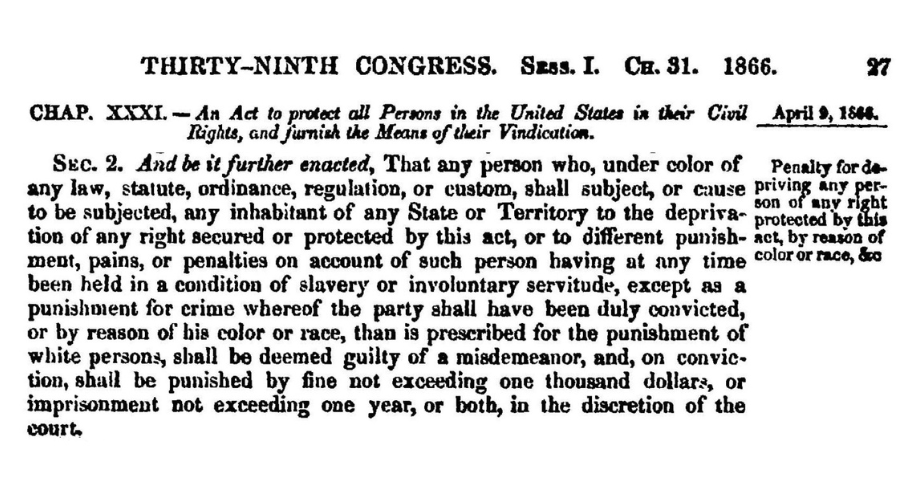
Egregious abuse by correctional staff may trigger criminal prosecution. After presenting the case law and statutes germane to that topic, this chapter presents some examples of litigation materials used in state and federal criminal prosecutions.
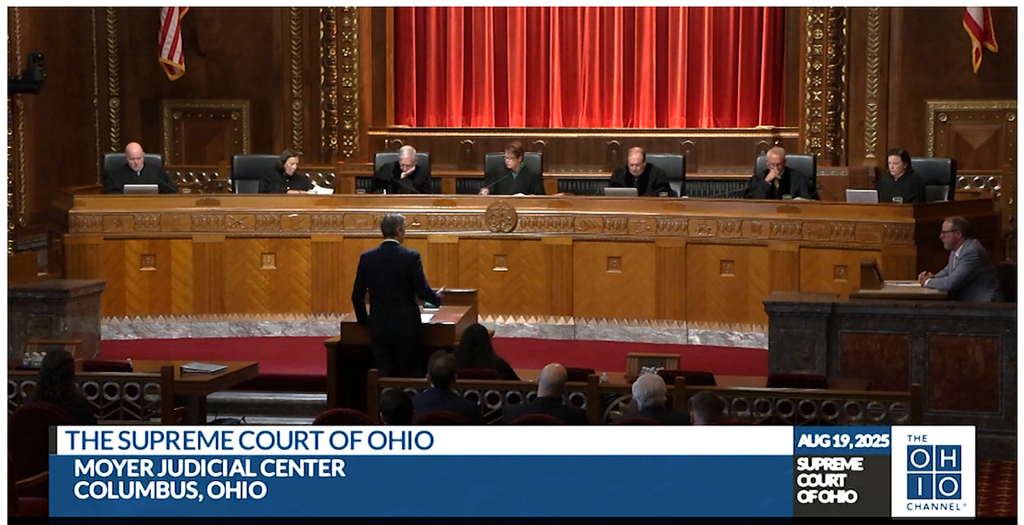
This chapter explores theory and case law addressing the potential additional protection that state constitutional law might provide to incarcerated people challenging their conditions of confinement. It explores both statutory and case law within the topic-specific chapters and examines the prospects of more-prisoner protective state constitutional law.
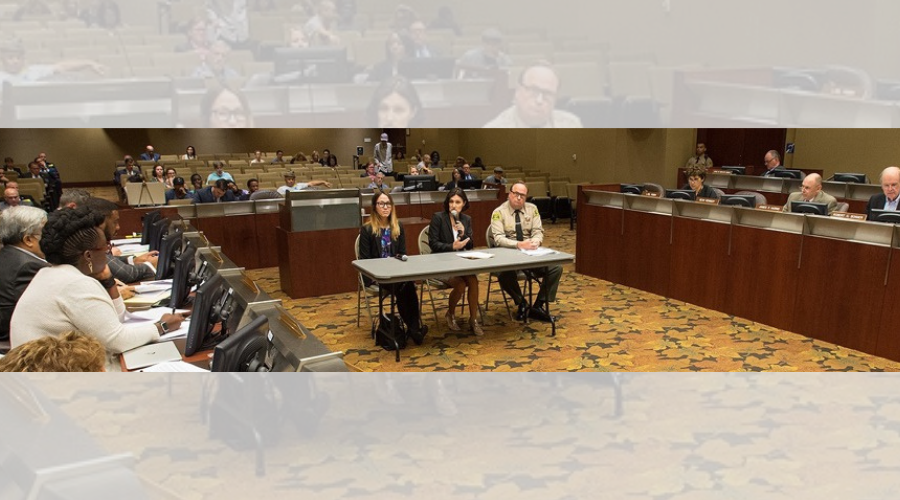
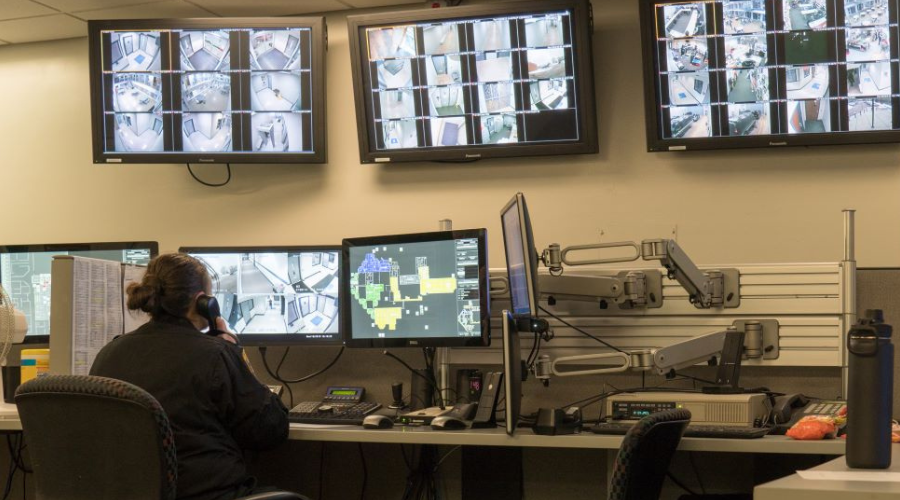
This chapter presents materials on the political disempowerment of prisoners, and examines non-litigation oversight of prisons and jails. Materials examine the voting rights of people in custody, the principles of effective external jail and prison oversight, and examples of oversight documentation.
INTRODUCTION
This chapter provides background on American jails and prisons. (What’s the difference between a jail and a prison? What is incarceration supposed to accomplish? How do prison abolitionists conceptualize and justify their goals? How did American incarceration develop?) It provides longitudinal and contemporary statistics. Finally, it offers narrative and case law background on the development of the modern conception of prisoners’ rights.
An edited version is available for download here.
PART I: CONDITIONS OF CONFINEMENT
This chapter introduces the foundational cases governing the Eighth and Fourteenth Amendment requirements of safe and humane incarceration conditions, including the Constitution’s ban on excessive force. It considers both post-conviction incarceration and pretrial detention, and presents and analyzes both subjective and objective liability standards.
This chapter centers on long-term isolation, a topic of great interest and controversy in the past several decades. While further elaborating the legal principles described in the previous chapter, this chapter also includes historical and international materials and excerpts, presenting the views of correctional administrators, correctional unions, and mental health professionals.
One idea about imprisonment is that it is an occasion for individual self-improvement—for education, vocational training, rehabilitation. But do prisoners have a legal right to education and rehabilitative services? This chapter presents legal and policy issues related to prison labor, educational programs, and reentry services.
Sexual violence and abuse are pervasive in U.S. prisons and jails. This chapter explores responses by federal courts, Congress, and state legislatures. In addition to the relevant federal case law, the chapter presents the Prison Rape Elimination Act’s implementing regulations and includes materials on PREA audits and the criminalization of sexual contact between correctional officers and people in custody.
PART II: CIVIL LIBERTIES
This chapter examines constitutional and statutory protection of prisoners’ freedom of speech and free exercise of religion. The chapter presents case law, statutory law, and the perspectives of correctional officials, scholars, and current and former prisoners.
This chapter focuses on prisoners’ right to litigate, whether in civil or criminal actions, and the limitations on that right. Topics include communications between inmates and their attorneys, retaliation by staff that litigation may trigger, communication with attorneys, prison law libraries, and jailhouse lawyers.
The Fifth and Fourteenth Amendments’ Due Process Clauses require appropriate process to safeguard against deprivation of life, liberty, or property. This chapter focuses on prisoners’ rights to procedural due process related to parole revocation, discipline, administrative segregation, and transfers. In addition to case law, materials include examples from parole, jail disciplinary, and prison transfer proceedings.
One’s home may be one’s castle, but prisoners enjoy virtually no protection against searches and seizures of their living spaces. After discussing that doctrine, this chapter turns to bodily searches, where prisoners enjoy somewhat greater protection.
PART III: PARTICULAR PRISONER POPULATIONS
Racial disparities and discrimination are endemic in the carceral system at every stage. This chapter explores how race impacts the day-to-day experience of incarceration and also issues related to language access in prisons and jails. Materials include case law, settlement agreements, and U.S. Department of Justice investigation documents.
While far fewer women than men are in custody throughout the U.S., the proportion of prisoners that is female has risen over recent decades. This chapter examines legal and policy considerations related to women in custody, including case law about equal access to programming, and reproductive issues such as shackling during labor.
While in custody, lesbian, gay, bisexual, transgender, and queer (LGBTQ) people may have some needs that differ from those of straight cis-male and cis-female (that is, straight and non-transgender) prisoners. The materials in this chapter show how courts and Congress have addressed the incarceration of LGBTQ people. The chapter examines harassment and discrimination, preventing sexual victimization, housing decisions, and transgender medical care.
Most people incarcerated in American jails and prisons have at least one disability. This chapter begins by discussing how disability may affect prisoners’ lives and institutional operations, and then presents materials on the interaction between the ADA and the Eighth Amendment’s ban on cruel and unusual punishments, and on disability anti-discrimination statutes and their implementing regulations.
PART IV: LITIGATION AND REMEDIES
This chapter addresses injunctions—court orders requiring a lawsuit’s defendants to do something or stop doing something. The chapter explores injunctions entered after litigation or on consent, looking at the prerequisites for entry, modification, and termination, including the impact of the 1996 Prison Litigation Reform Act.
This chapter looks at the causes of action prisoners use to seek damages for harm they experience at the hands of state, local, or federal officials. It examines immunities, official- vs. personal-capacity lawsuits, supervisory liability, and the liability of private contractors. Materials also include opening and closing statements from a jail suicide damage trial.
This chapter focuses on litigation issues particular to the subject matter or litigants in prison/jail cases. Much but not all of the Chapter addresses provisions of the 1996 Prison Litigation Reform Act.
As corporations play an ever-expanding role in the criminal justice system, prison privatization has ignited an ongoing debate. This chapter examines private prisons and private prison contractors, introducing applicable legal doctrine, presenting conflicting viewpoints on privatization, and discussing oversight.
Egregious abuse by correctional staff may trigger criminal prosecution. After presenting the case law and statutes germane to that topic, this chapter presents some examples of litigation materials used in state and federal criminal prosecutions.
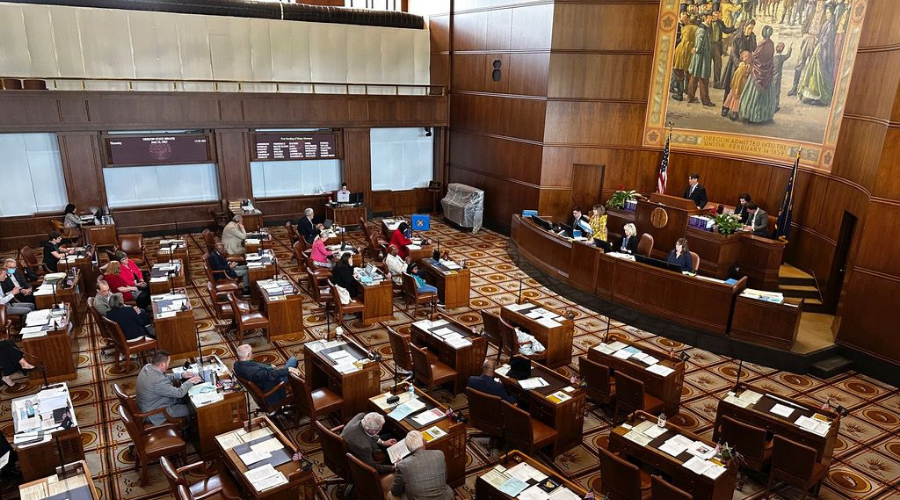
This chapter explores theory and case law addressing the potential additional protection that state constitutional law might provide to incarcerated people challenging their conditions of confinement. It explores both statutory and case law within the topic-specific chapters and examines the prospects of more-prisoner protective state constitutional law.
This chapter presents materials on the political disempowerment of prisoners, and examines non-litigation oversight of prisons and jails. Materials examine the voting rights of people in custody, the principles of effective external jail and prison oversight, and examples of oversight documentation.